

Results that will Move You
Navigating the real estate market doesn't have to feel overwhelming.
With over 18 years of experience serving Connecticut communities, I’m here to guide you every step of the way with clarity, care, and expert knowledge of the local market.
Once you understand the process and your options, you’ll feel confident making informed decisions—whether buying your first home, investing, or selling a property.
My mission is to empower you throughout your real estate journey, making the experience smooth, rewarding, and even enjoyable.
Let’s find the perfect place to plant your roots .
ESSENTIAL TIPS
FOR BUYERS AND SELLERS
IN CONNECTICUT
Here for You
Through Every Move
At Donna Zona Real Estate, you’re not just another transaction—you’re our top priority. I’m here to be your trusted advocate, helping you understand the real estate process and handling every detail so you feel informed, empowered, and supported from start to finish.
Whether you're buying, selling, or investing, I provide expert guidance, personalized strategies, and a streamlined process designed to help you reach your goals with confidence. With over 18 years of experience, I’ve had the privilege of helping countless families across Connecticut find their way home—and I’d be honored to help you, too.
📞 Let’s get started—reach out today!
GUIDES FOR BUYERS & SELLERS



DONNA ZONA REALTOR BLOG
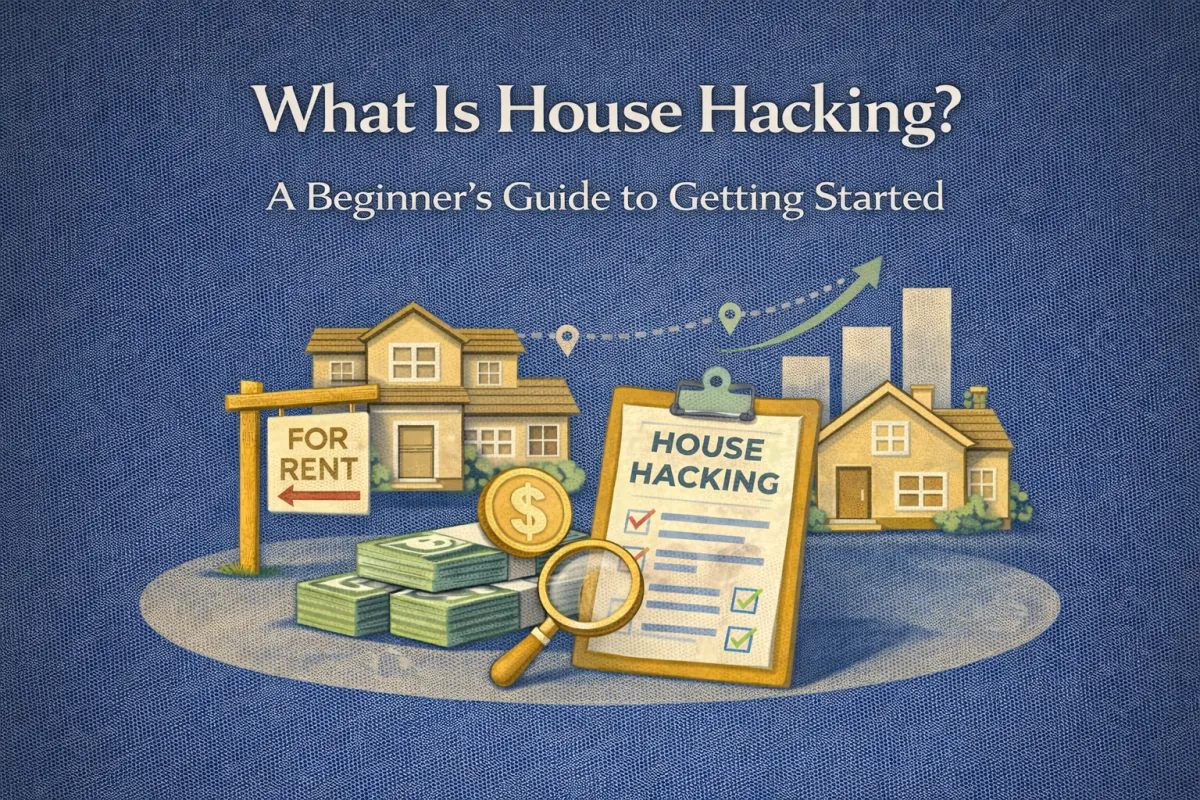
What Is House Hacking: A Beginner’s Guide to Getting Started
If you’ve ever wondered how some homeowners live with little to no housing expense, house hacking is often the answer. While the concept may sound complex, it’s surprisingly accessible when broken down step by step.
Introduction:
For many people, the cost of housing is one of the largest monthly expenses they’ll ever face. At the same time, real estate is one of the most common paths to long-term wealth. House hacking sits at the intersection of these two realities—allowing people to reduce or eliminate housing costs while building equity and gaining experience in real estate investing.
🏡This Guide Explains What House Hacking Is, How It Works, And the Most Common Strategies Beginners Use to Get Started—Along With The Benefits, Risks, And Long-term Potential.
What Is House Hacking?
House hacking is a real estate strategy where a homeowner lives in a property while renting out part of it to help cover the mortgage and other expenses.
Instead of viewing a home solely as a place to live, house hackers treat it as both:
A primary residence
An income-producing property
The rental income generated from the property offsets housing costs, and in some cases, covers them entirely.
At its core, house hacking is about using real estate creatively to reduce living expenses while building long-term wealth.
Why House Hacking Appeals to Beginners
House hacking is especially popular with first-time buyers and new investors because it lowers the barrier to entry.
Key reasons beginners choose house hacking include:
Reduced Housing Costs
Rental income helps cover mortgage payments, taxes, insurance, and utilities.
Easier Financing
Because the property is owner-occupied, buyers may qualify for more favorable loan terms compared to traditional investment properties.
Built-In Learning Experience
Living on-site allows new investors to learn property management firsthand.
Gradual Transition Into Investing
House hacking allows people to ease into real estate investing without taking on multiple properties immediately.
How House Hacking Works in Practice
The basic structure of house hacking looks like this:
Purchase a property as a primary residence
Live in one portion of the property
Rent out the remaining space
Use rental income to offset housing expenses
Over time, the homeowner builds equity, gains experience, and potentially transitions into additional real estate investments.
Common Types of Properties Used for House Hacking
House hacking can work with several property types, depending on availability and local regulations.
Multifamily Properties
Duplexes, triplexes, and four-unit properties are classic house hacking options. The owner lives in one unit and rents out the others.
Single-Family Homes
With spare bedrooms, finished basements, or accessory dwelling units, single-family homes can also support house hacking strategies.
Condos and Townhomes
In some cases, homeowners rent rooms or units, though HOA rules must be reviewed carefully.
House Hacking Strategies
1. Multifamily Living
This is the most traditional and well-known house hacking approach.
How It Works
The homeowner purchases a small multifamily property, lives in one unit, and rents out the others.
Why It’s Popular
Clear separation between living space and rental units
Predictable rental income
Scalable for future investing
Example
A buyer purchases a duplex, lives in one unit, and rents the other. The rent from one unit may cover most or all of the mortgage payment.
2. Renting Spare Bedrooms
This is one of the simplest and most accessible forms of house hacking.
How It Works
The homeowner lives in the property and rents out one or more bedrooms to roommates.
Benefits
Low startup complexity
Works in many single-family homes
Flexible rental arrangements
Considerations
Shared living spaces require clear boundaries
Compatibility with roommates matters
Privacy expectations should be managed early
This strategy is especially common among younger homeowners or those comfortable with shared living environments.
3. Basement or Accessory Units
Finished basements or accessory dwelling units (ADUs) offer more separation than shared bedrooms.
How It Works
The homeowner lives in the main home while renting out a basement apartment or detached unit.
Why It Works Well
Greater privacy for both parties
Strong rental demand in many areas
Can feel like two separate living spaces
Local zoning and permit requirements should always be reviewed before pursuing this option.
4. Live-In Fix-and-Hold
This strategy combines house hacking with renovation.
How It Works
The homeowner purchases a property that needs improvements, lives in one unit or portion, renovates over time, and rents out the rest.
Benefits
Increased property value
Higher future rental income
Equity growth through improvements
Challenges
Living through renovations
Budget management
Time and planning requirements
This approach suits homeowners willing to trade short-term inconvenience for long-term gains.
5. Short-Term Rentals (Where Allowed)
Some house hackers rent out part of their home on a short-term basis.
How It Works
The homeowner lives on-site and rents rooms or units on a temporary basis.
Pros
Higher income potential
Flexible use of space
Cons
More management
Regulations may apply
Income can fluctuate
Local rules and HOA guidelines are critical considerations here.
Financial Benefits of House Hacking
House hacking offers both immediate and long-term financial advantages.
Monthly Cost Reduction
Rental income directly offsets housing expenses, freeing up cash flow.
Faster Equity Growth
With tenants helping pay down the mortgage, equity builds more quickly.
Improved Savings Rate
Lower housing costs allow homeowners to save or invest more elsewhere.
Long-Term Investment Potential
After moving out, the property may become a full rental, continuing to generate income.
Understanding the Risks of House Hacking
While house hacking offers many benefits, it’s not without challenges.
Tenant Management
Living near tenants requires clear communication and boundaries.
Maintenance Responsibilities
Owners are responsible for upkeep, repairs, and property condition.
Income Variability
Vacancies or late payments can affect cash flow.
Lifestyle Trade-Offs
Shared living or proximity to tenants may not suit everyone.
Understanding these factors helps homeowners decide if house hacking aligns with their comfort level.
Financing a House Hack
One of the biggest advantages of house hacking is access to owner-occupied financing options.
Common loan types include:
Conventional loans
FHA loans (often used for multifamily house hacking)
VA loans (for eligible buyers)
Because the buyer lives in the property, lenders may offer lower down payments and better interest rates than for traditional investment properties.
How Long Should You Live in a House Hack?
Most owner-occupied loans require the buyer to live in the property for a minimum period, often around one year.
After that, homeowners may:
Continue living in the property
Move out and rent the entire home
Use the equity to invest elsewhere
House hacking often serves as a stepping stone to larger real estate goals.
Is House Hacking Right for Everyone?
House hacking works best for people who:
Are open to shared or flexible living arrangements
Want to reduce housing costs
Are interested in learning real estate basics
Value long-term financial growth over short-term comfort
It may not be ideal for those who prefer complete privacy or minimal involvement in property management.
House Hacking vs Traditional Renting
Compared to renting, house hacking allows individuals to:
Build equity instead of paying rent
Offset housing costs with income
Gain ownership experience
While renting offers simplicity, house hacking offers long-term opportunity.
House Hacking as a First Step Into Real Estate Investing
Many experienced investors begin with a house hack. It provides:
Practical experience
Lower financial risk
Confidence to scale
Over time, house hackers often move on to additional properties using the knowledge they’ve gained.
Donna Zona
203-619-3762
Representing Buyers and Sellers throughout CT
Results that will move you
Click the link for more real estate info!
House hacking isn’t about shortcuts or gimmicks—it’s about using real estate intentionally. By combining housing and investing into one strategy, homeowners can reduce expenses, build equity, and gain real-world experience at the same time.
For beginners looking to enter real estate thoughtfully, house hacking offers a practical, flexible starting point. While it requires planning, patience, and clear expectations, the long-term benefits can be significant.
For many, house hacking isn’t just a strategy—it’s the foundation of a broader real estate journey.

CLICK THE VIDEOS BELOW TO LEARN MORE
ABOUT BUYING AND SELLING IN CONNECTICUT
Follow Me on Social Media For More Buying & Selling Tips!
At Donna Zona Real Estate, my goal is to create a seamless, supportive experience while building meaningful, long-term relationships within the communities I serve. With over 18 years as a REALTOR® in Connecticut, I’m committed to providing exceptional service tailored to your unique needs and goals.
Whether you’re a buyer, seller, or investor, my priority is to help you navigate the real estate process with confidence—and make it a smooth, rewarding journey from start to finish.
📞 Let’s connect today—I’m here to help you take the next step.

Facebook
Instagram
LinkedIn
Youtube