
Results that will Move You
Navigating the real estate market doesn't have to feel overwhelming.
With over 18 years of experience serving Connecticut communities, I’m here to guide you every step of the way with clarity, care, and expert knowledge of the local market.
Once you understand the process and your options, you’ll feel confident making informed decisions—whether buying your first home, investing, or selling a property.
My mission is to empower you throughout your real estate journey, making the experience smooth, rewarding, and even enjoyable.
Let’s find the perfect place to plant your roots .
ESSENTIAL TIPS
FOR BUYERS AND SELLERS
IN CONNECTICUT
Here for You
Through Every Move
At Donna Zona Real Estate, you’re not just another transaction—you’re our top priority. I’m here to be your trusted advocate, helping you understand the real estate process and handling every detail so you feel informed, empowered, and supported from start to finish.
Whether you're buying, selling, or investing, I provide expert guidance, personalized strategies, and a streamlined process designed to help you reach your goals with confidence. With over 18 years of experience, I’ve had the privilege of helping countless families across Connecticut find their way home—and I’d be honored to help you, too.
📞 Let’s get started—reach out today!
GUIDES FOR BUYERS & SELLERS




DONNA ZONA REALTOR BLOG
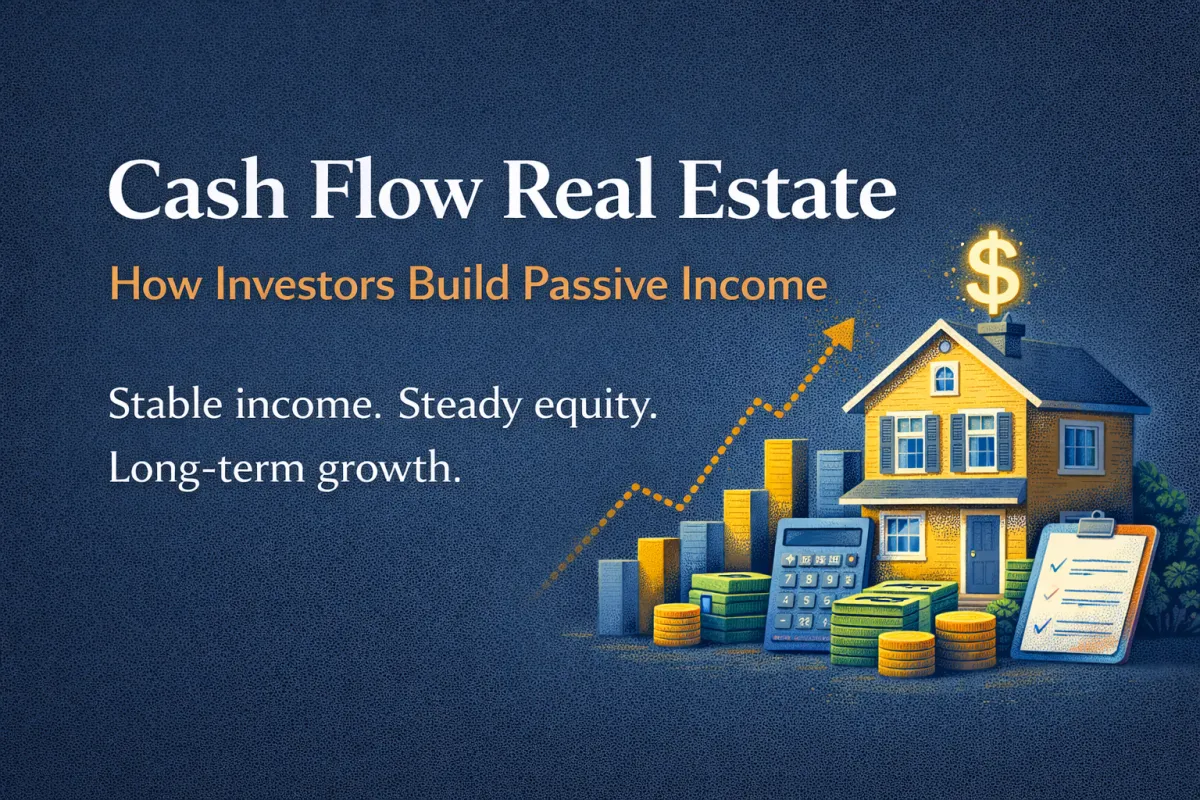
Cash Flow Real Estate: How Investors Build Passive Income
Frequently Asked Questions
What is cash flow in real estate?
Cash flow is the income remaining after all property expenses are paid.
How much cash flow is considered good?
Even $200–$500 per month per property can be strong, depending on investment size and risk.
Can beginners invest in cash flow real estate?
Yes. Many investors start with single-family rentals or small multifamily properties.
Do you need a large down payment?
Not always. Financing options vary, but stronger cash flow usually comes with higher equity.
Is cash flow more important than appreciation?
Cash flow provides stability. Appreciation adds growth. The best investments often include both.
Introduction:
Cash flow real estate refers to property investments that generate more monthly income than expenses. In simple terms, it means the rent coming in exceeds the costs going out. Those costs usually include the mortgage, taxes, insurance, maintenance, and management.
For many investors, this type of real estate investing is attractive because it produces predictable income, not just long-term appreciation. Unlike stocks that rely on market timing, cash flow real estate investing focuses on steady performance month after month.
Cash flow is especially important during uncertain economic periods. When markets fluctuate, a well-positioned rental property can still produce income. That reliability is why many investors view cash flow real estate as a foundation for long-term financial stability.
🏡Let's Walk Through How Over Time, The Combination of Rental Income, Loan Paydown, and Appreciation Creates a Powerful Wealth-Building Cycle.
How Cash Flow Real Estate Investing Actually Works
Cash flow real estate investing starts with buying the right property at the right price. The goal is not just owning property, but owning property that performs.
Here’s how the process typically works:
An investor purchases a rental property using cash, financing, or a combination of both
Tenants pay rent each month
Operating expenses are paid
The remaining amount is positive cash flow
Even modest monthly cash flow can add up significantly over time. For example, a property producing $400 per month results in $4,800 per year. Multiply that across multiple properties and several years, and the impact becomes substantial.
The key is margin. Properties with strong margins allow room for vacancies, repairs, and market shifts without turning negative.
What Makes a Property a Good Cash Flow Investment
Not every rental property produces cash flow. Several factors determine whether an investment will succeed or struggle.
Purchase Price Relative to Rent
The lower the purchase price compared to potential rent, the better the cash flow potential. Overpaying, even in a strong area, often leads to thin or negative cash flow.
Financing Terms
Interest rate, down payment, and loan structure directly affect monthly expenses. Favorable financing can turn an average deal into a strong performer.
Operating Costs
Property taxes, insurance, maintenance, HOA fees, and management costs must be realistic. Underestimating expenses is one of the most common mistakes investors make.
Tenant Demand
Consistent demand keeps vacancy low. Properties near employment centers, schools, healthcare, or transportation tend to perform better.
Understanding Cash Flow vs Appreciation in Real Estate
Many new investors focus on appreciation. While appreciation is important, it is unpredictable and market-dependent.
Cash flow, on the other hand, is controllable. Investors can improve cash flow by:
Increasing rent responsibly
Reducing expenses
Refinancing
Improving property efficiency
The strongest portfolios often balance both. Cash flow provides stability, while appreciation builds long-term equity.
Different Types of Properties That Generate Cash Flow
Cash flow real estate investing is not limited to one property type. Investors choose based on budget, risk tolerance, and goals.
Single-Family Rentals
Lower entry point, easier financing, and strong tenant demand make single-family homes popular for beginners.
Small Multifamily Properties
Duplexes, triplexes, and fourplexes often offer better cash flow per purchase due to multiple income streams.
Large Multifamily Properties
These can generate significant cash flow but require more capital, experience, and management expertise.
Short-Term Rentals
Higher income potential but more volatility, regulation risk, and management intensity.
Mixed-Use Properties
Residential and commercial combinations can diversify income but require careful evaluation.
Best Cash Flow Real Estate Markets and What They Have in Common
Rather than focusing on one specific location, investors evaluate market characteristics that support cash flow.
The best cash flow real estate markets often share these traits:
Affordable home prices relative to rents
Strong job growth
Population stability or growth
Landlord-friendly regulations
Diverse local economies
Markets with extreme price appreciation sometimes offer weaker cash flow. In contrast, balanced markets often provide steadier income with less volatility.
How to Analyze Cash Flow Step by Step
Successful investors rely on numbers, not emotion.
Here is a simple approach:
Estimate monthly rent
Subtract mortgage payment
Subtract property taxes and insurance
Subtract maintenance and management
Account for vacancy and reserves
If the result is positive, the property produces cash flow. Conservative assumptions lead to better outcomes.
Common Mistakes New Cash Flow Investors Make
Many beginners struggle not because the strategy is flawed, but because of avoidable mistakes.
Overestimating rent
Underestimating expenses
Ignoring vacancy risk
Relying on appreciation instead of income
Skipping professional guidance
Cash flow investing rewards patience and discipline more than speed.
How Financing Impacts Cash Flow Real Estate
Financing is one of the most powerful tools in real estate investing.
Lower interest rates improve cash flow. Larger down payments reduce monthly expenses. Adjustable loans may increase risk if rates rise.
Understanding different mortgage types, loan terms, and refinancing options helps investors protect and grow cash flow over time.
How Cash Flow Real Estate Connects to Paying Off Mortgages Faster
Positive cash flow can be applied directly toward principal reduction. This shortens loan terms, reduces interest paid, and increases equity faster.
Many investors use cash flow to:
Make extra principal payments
Refinance into shorter terms
Reinvest into additional income-producing properties
This strategy accelerates wealth building while reducing risk.
The Role of Property Management in Cash Flow Success
Self-managing saves money but costs time. Professional management reduces involvement but adds expense.
The right choice depends on scale, location, and personal availability. Well-managed properties tend to have:
Lower vacancy
Better tenant retention
Fewer costly surprises
Strong management protects long-term cash flow.
Is Cash Flow Real Estate Right for Every Investor
Cash flow real estate works best for investors seeking:
Predictable income
Long-term stability
Inflation protection
Control over returns
It may not suit those seeking quick flips or short-term speculation. Understanding personal goals is critical before choosing this strategy.
How Cash Flow Real Estate Fits into a Bigger Investment Strategy
Cash flow real estate often complements:
Retirement planning
Diversified investment portfolios
Estate planning
Tax strategies
It provides tangible assets that perform independently from stock market volatility.
Donna Zona
203-619-3762
Representing Buyers and Sellers throughout CT
Results that will move you
Click the link for more real estate info!
Cash flow is the backbone of sustainable real estate investing. It provides stability when markets shift, flexibility when expenses arise, and confidence to make long-term decisions without relying solely on appreciation. Properties that generate consistent cash flow allow investors to weather uncertainty, build equity steadily, and create income that supports real life—not just paper gains.
Experienced real estate professionals help investors see beyond the surface. They offer perspective on pricing, market dynamics, risk factors, and opportunities that may not be obvious at first glance. With the right guidance, investors can avoid costly mistakes, align decisions with their goals, and build a portfolio that supports both income and peace of mind.

CLICK THE VIDEOS BELOW TO LEARN MORE
ABOUT BUYING AND SELLING IN CONNECTICUT
Follow Me on Social Media For More Buying & Selling Tips!
At Donna Zona Real Estate, my goal is to create a seamless, supportive experience while building meaningful, long-term relationships within the communities I serve. With over 18 years as a REALTOR® in Connecticut, I’m committed to providing exceptional service tailored to your unique needs and goals.
Whether you’re a buyer, seller, or investor, my priority is to help you navigate the real estate process with confidence—and make it a smooth, rewarding journey from start to finish.
📞 Let’s connect today—I’m here to help you take the next step.

Facebook
Instagram
LinkedIn
Youtube